How long does a root canal take? Learn what to expect by tooth type, why some need two visits, and how long recovery really takes.
Most root canals take about 60 to 90 minutes and can be completed in one or two visits. Front teeth are usually quicker, while molars and infected teeth often take longer. Many teeth also need a crown at a follow-up visit to complete root canal therapy.
Key Takeaways
- Molars take the longest because they have three or more canals.
- An active infection often requires a second visit.
- Numbness fades within hours, and mild soreness often eases within a few days.
- Most people return to work or school the next day.
- Eat soft foods and chew on the other side until your crown is placed.
How Long Is a Root Canal Appointment?
Most root canal appointments take 60 to 90 minutes, but that’s an average. A simple front tooth may take less time, while a complex molar may take more. That time covers numbing the tooth, cleaning out the infected tissue inside it, and sealing it closed again.
The biggest factor in your appointment length is which tooth needs treatment. Teeth toward the back of your mouth have more canals (small channels inside the roots that carry nerves and blood vessels), and each canal takes time to clean.
| Tooth Type | Typical Number of Canals | Approximate Appointment Time |
|---|---|---|
| Front teeth (incisors and canines) | 1 | About 30 to 60 minutes |
| Premolars | 1 or 2 | About 60 minutes |
| Molars | 3 or more | About 90 minutes or longer |
| These are approximate ranges. Your dentist can give you a closer estimate once X-rays show how many canals your tooth has and how they’re shaped. | ||
Front Teeth (Incisors and Canines)
Front teeth usually have a single canal, which makes them the quickest to treat. They’re also easy for your dentist to reach. Their roots also tend to be fairly straight, so cleaning and sealing the canal is usually simpler.
Premolars
Premolars sit between your front teeth and your molars, and treatment time falls somewhere in the middle. The biggest variable is whether your premolar has one canal or two. A second canal, or a narrow or curved one, adds time. Your dentist’s X-rays show exactly what’s inside your tooth.
- Usual canal count: one or two
- Typical time: between a front tooth and a molar
Molars
If you’re wondering how long a molar root canal takes, the answer depends on more than canal count. Molars sit far back in your mouth and can have curved or narrow roots. They’re also the teeth most likely to need a second visit.
Why molars take longer:
- They have more canals to clean and seal
- They’re harder to reach at the back of the mouth
- Their roots can be curved or narrow
How Many Visits Does a Root Canal Take?
Many root canals are finished in a single appointment. Some need two. Neither one means something went wrong. A second visit is simply part of careful treatment when the tooth needs a little more time.
| One Visit | Two Visits | |
|---|---|---|
| Common for | Front teeth, premolars, uncomplicated molars | Infected teeth, complex molars, retreatment |
| Typical reasons | No active infection, straightforward canals | Infection needing medication, curved or calcified canals |
| What happens between visits | Nothing; the tooth is sealed the same day | A temporary filling protects the tooth while it settles |
When a Root Canal Is Done in One Visit
A single visit is common when the tooth is fairly simple to treat. That means fewer trips to the office and less time away from work or school.
One visit is often possible when:
- There’s no active infection or abscess (a pocket of pus at the root)
- The canals have a straightforward shape
- The tooth is a front tooth or premolar
- The tooth hasn’t had a root canal before
Why Some Root Canals Need Two Visits
Sometimes your dentist places medication inside the tooth and lets it work before sealing everything. In that case, a temporary filling protects the tooth until you come back.
Common reasons for a second visit:
- An infection or abscess that needs medication placed inside the tooth
- Canals that are curved, narrow, or calcified (hardened and partly blocked)
- Retreatment of a tooth that had a root canal in the past
- A molar with several canals that need extra time
Tip: Between visits, avoid chewing hard foods on the treated side.
What Happens During a Root Canal, Step by Step
Knowing what to expect can take a lot of the worry out of the appointment. It also shows you how long it takes. Here’s the process in order.
- Exam and digital X-rays
- Numbing the tooth
- Cleaning and shaping the canals
- Filling and sealing the tooth
Exam and Digital X-Rays
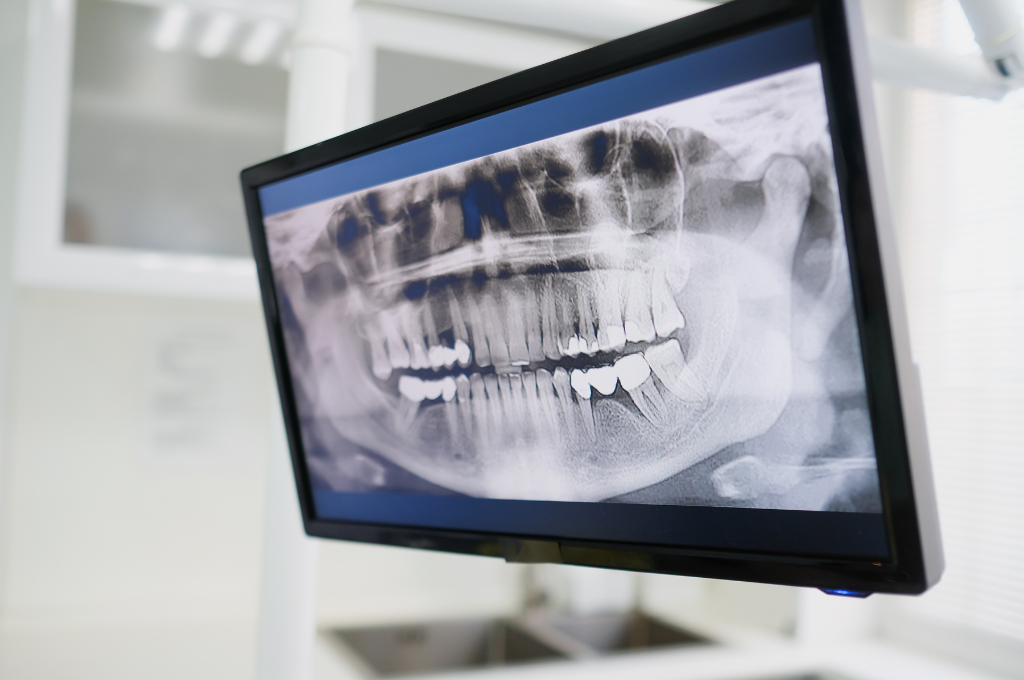
First, your dentist examines the tooth and takesdigital dental X-rays. These images show the infection and the shape of your roots. They also help your dentist estimate how long your treatment will take.
Numbing the Tooth
Next comes local anesthesia, which numbs the tooth and the surrounding area. Most people say the procedure feels a lot like getting a filling. Your dentist then places a rubber dam, a thin sheet that keeps the tooth clean and dry while they work.
You’ll feel pressure, not pain.
- Local anesthesia numbs the tooth and nearby gums
- A rubber dam isolates the tooth during treatment
Cleaning and Shaping the Canals
Your dentist makes a small opening in the top of the tooth and removes the infected pulp (the soft tissue inside the tooth). Your dentist then cleans, disinfects, and shapes each canal. This is the longest part of the appointment, and it takes longer for teeth with more canals.
Filling and Sealing the Tooth
Once the canals are clean, they’re filled with a biocompatible material, meaning a material that’s safe for your body. A temporary or permanent filling then closes the opening. For many teeth, a crown comes next.
- Canals are filled with a safe, sealing material
- The tooth is sealed to keep bacteria out
- A temporary filling is placed if a crown is planned
- Your dentist schedules the crown visit if needed
Does a Root Canal Hurt?
For most people, a root canal feels similar to getting a filling. Local anesthesia numbs the area, so you’ll usually notice pressure and vibration rather than pain.
Root canals have a reputation they don’t really deserve. The pain people remember usually comes from the infection itself, before treatment. Removing that infected tissue is what brings relief. If you feel anxious about dental visits, tell our team ahead of time so we can talk through ways to help you feel more comfortable.
| Myth | Fact |
|---|---|
| Root canals are extremely painful. | With local anesthesia, most people find the procedure comfortable, often similar to a filling. |
| It’s better just to pull the tooth. | Saving your natural tooth is usually the preferred option when it’s possible. |
What Can Make a Root Canal Take Longer?
Every tooth is different, so time estimates vary. A few things may add time to your treatment:
- Active infection or abscess: The tooth may need medication and a second visit before we can seal it.
- Number and shape of the canals: More canals, or curved and narrow ones, take longer to clean.
- A cracked tooth or previous dental work: Old fillings, crowns, or cracks can make the inside of the tooth harder to reach.
- Waiting too long: Decay left alone can spread deeper, which may require more involved treatment. Read more about how tooth decay progresses.
Seeing your dentist early often means a simpler, shorter procedure.
Root Canal Recovery Time: What to Expect
Root canal recovery time is usually short. Numbness wears off within a few hours, mild soreness often eases within a few days, and most people are back to their normal routine the next day.
How Long Does Numbness Last After a Root Canal?
Numbness usually wears off within a few hours. Until it does, skip eating and hot drinks. It’s easy to bite your cheek or tongue, or burn your mouth, without realizing it.
Tip: Wait until the numbness wears off before eating.
When Can I Eat After a Root Canal?
You can eat once the numbness is gone. Soft foods are the most comfortable choice at first. Chew on the other side of your mouth until your permanent filling or crown is in place, since the treated tooth is more fragile until then.
| Foods to Choose | Foods to Avoid |
|---|---|
| Yogurt | Nuts |
| Eggs | Hard candy |
| Soup (warm, not hot) | Sticky foods like caramel |
| Mashed potatoes | Very hot or very cold items |
| Pasta | Crunchy chips or ice |
Soreness and Healing Over the First Few Days
Some tenderness is normal as the tissue around the tooth settles. It usually improves over a few days. Your dentist will give you aftercare instructions, and following them closely makes a real difference.
Comfort tips:
- Follow your dentist’s guidance on pain relief, and ask before taking any medication
- Chew on the opposite side of your mouth
- Keep brushing and flossing, gently, around the treated tooth
When to Call Your Dentist
Most recoveries go smoothly. Still, call your dentist if you notice:
- Swelling inside your mouth or on your face
- Pain that gets worse, or that’s still severe after a few days
- A temporary filling that comes loose or falls out
- A bite that feels uneven when you close your teeth
If any of these come up, request an appointment or call the office.
How Long After a Root Canal Do You Get a Crown?
Many teeth, especially back teeth, need a crown after a root canal. Once the inside of a tooth is treated, it can become more brittle. A dental crown covers and protects it so you can chew normally again.
We often place the crown at a follow-up visit, with a temporary filling protecting the tooth in the meantime. Some offices, including ours, offer same-day crowns, which can shorten the overall timeline. For a closer look at your options, see our guide on how long it takes to get a dental crown.
| Traditional Crown | Same-Day Crown | |
|---|---|---|
| Number of visits | Usually two | Usually one |
| Temporary crown needed | Yes | No |
| Total time | Spread over a few weeks | Completed in a single appointment |
Total Timeline: From First Visit to Final Crown
Seeing the whole process at once helps, not just the first appointment. Most patients go from exam to root canal in one or two visits, then return for a crown. With a same-day crown, you can finish the full process faster. After your exam, your dentist will give you a personal timeline.
Why Saving the Tooth Is Worth the Time
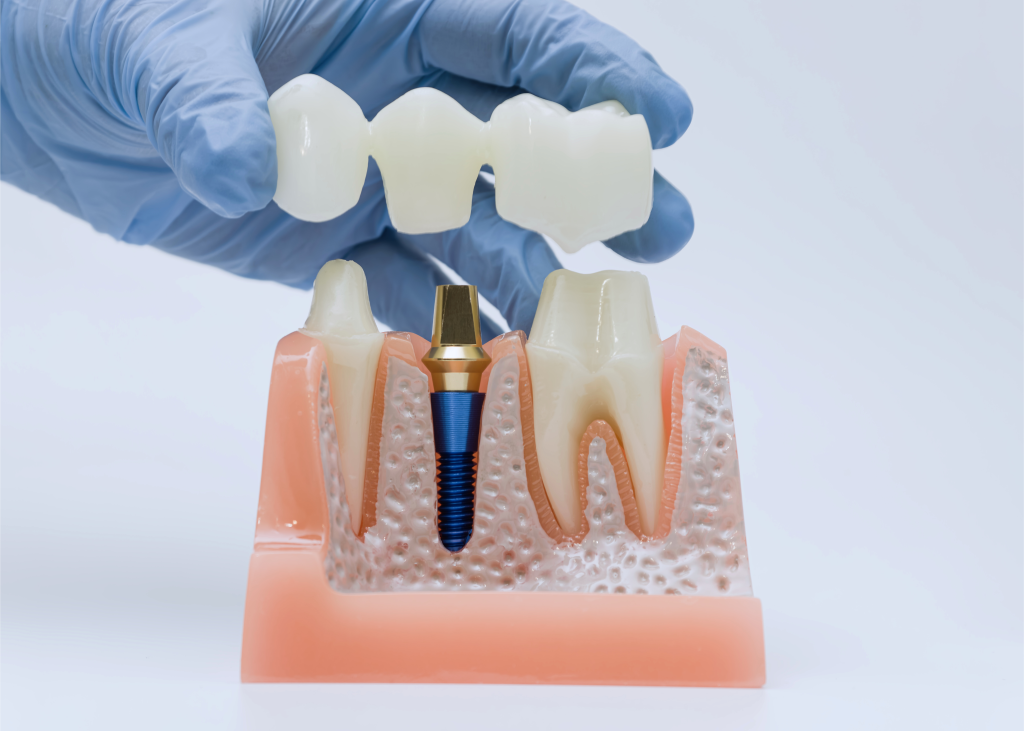
A root canal takes one or two appointments, but it lets you keep your natural tooth. The alternative is usually a tooth extraction followed by a replacement, such as dental implants. That path often involves more visits and more healing time.
Benefits of saving your natural tooth:
- You keep the tooth you already have
- Your bite stays aligned, and neighboring teeth don’t drift
- You can often avoid a longer extraction and replacement process
- A restored tooth can function well for many years
Signs You May Need a Root Canal
Lingering sensitivity to hot or cold, pain when you bite, or a swollen spot on your gums may point to a problem inside the tooth. Not every infected tooth hurts, so regular exams matter. See the full list of signs you may need root canal therapy, or learn more about lingering tooth sensitivity.
Not every infected tooth hurts, which is one reason regular exams matter. Getting checked early often means simpler treatment.

Frequently Asked Questions
Can a root canal take more than two visits?
Yes, though it’s less common. A severe infection, a tooth that needs retreatment, or a case referred to an endodontist (a root canal specialist) may need extra appointments. Your dentist will tell you upfront if your tooth is likely to need more time.
How long does it take if I’m also getting a crown?
Your dentist usually does the root canal and the crown in separate visits, often a few weeks apart. With a same-day crown, the crown visit takes a single appointment. Your dentist can map out both steps after your exam.
Can I go to work after a root canal?
Yes, most people return to work or school the same day or the next day. If you’re still numb or feel sore, you may prefer to rest for the remainder of the day.
How long does a root canal take to heal completely?
Mild soreness usually fades within a few days, while the tissue around the tooth continues to heal over the following weeks. Placing the final crown completes the restoration.
Does insurance cover root canals?
Many dental plans cover part of root canal treatment, but coverage depends on your plan. Our team can help you review your benefits. You can also see our financial information page.

Plan Your Root Canal With Confidence
Every tooth is different, so the most reliable answer to “how long does a root canal take” for you comes from an exam. X-rays show how many canals your tooth has, whether there’s an infection, and whether you need a crown. That lets your dentist give you a real timeline instead of an average.
If a tooth has been bothering you, book an evaluation, and we’ll walk you through your personal treatment plan, from the first visit to the final crown. Meet our dentists, learn more about root canal therapy, or request an appointment when you’re ready.
Protect Your Teeth Today for a Stronger, Healthier Smile Tomorrow
Teeth grinding and jaw clenching can quietly affect your smile long before noticeable damage or discomfort develops, but taking action early can make a meaningful difference. Whether you are experiencing morning jaw soreness, increasing tooth sensitivity, worn enamel, or concerns about existing dental work, understanding the cause is the first step toward lasting protection. At Apex Family Dentistry in Apex, NC, our team provides personalized preventive and restorative dental care to help patients throughout Apex, Holly Springs, and surrounding Wake County communities maintain healthy, functional smiles. Don’t wait for minor wear or recurring discomfort to become a more complicated dental concern. Schedule your dental appointment with Apex Family Dentistry and take the next step toward protecting your teeth, preserving your natural smile, and supporting your long-term oral health.